
My background
Getting started in massage therapy
Learning to work with the body.
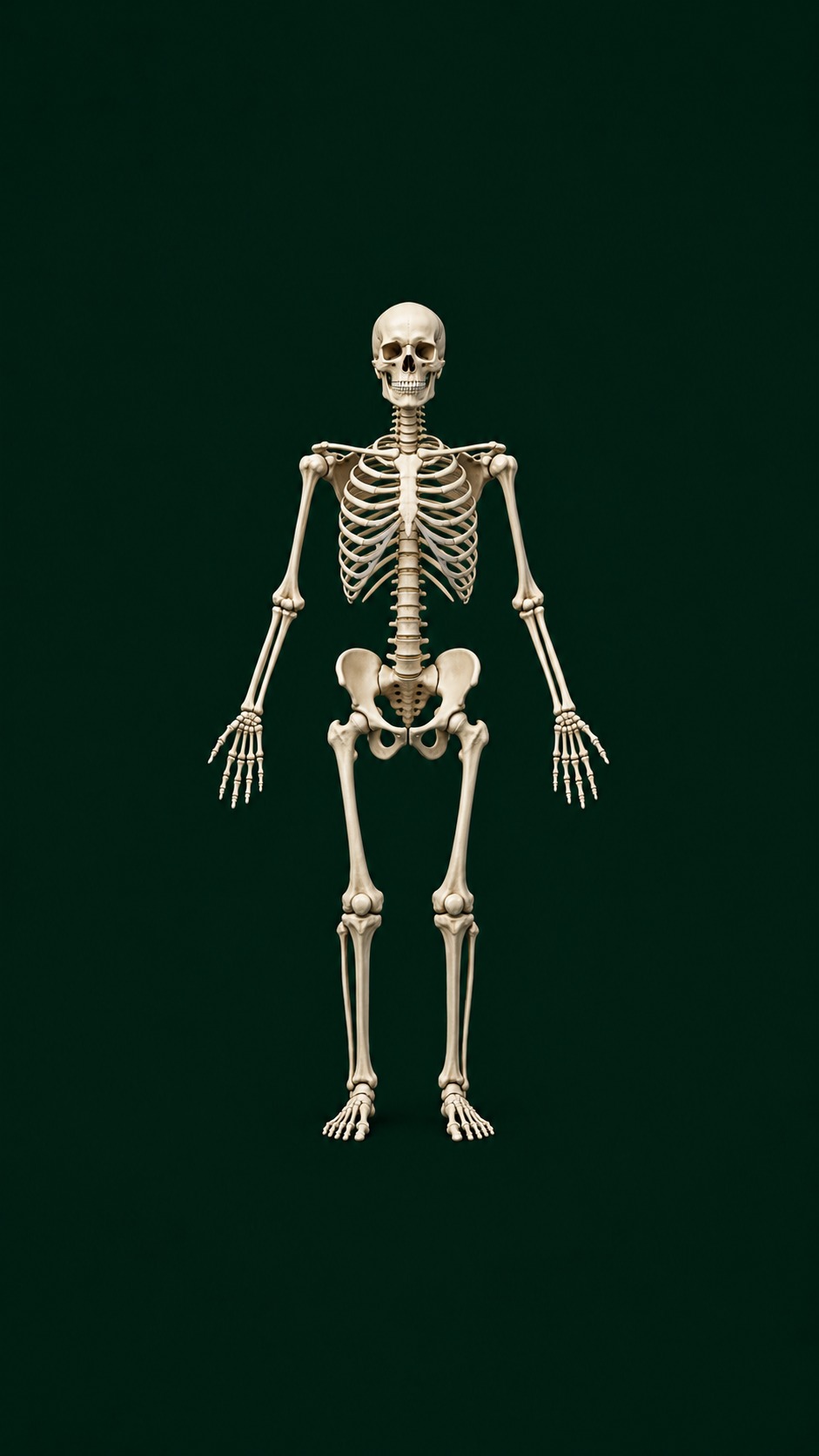
This is where I started building my first foundations. Massage therapy introduced me to hands-on work, a range of techniques, and above all, the importance of adapting every session to the person in front of me.
The Swedish massage I training represents 400 hours of coursework.
Understanding the body under effort
A new way of approaching movement and physical activity.
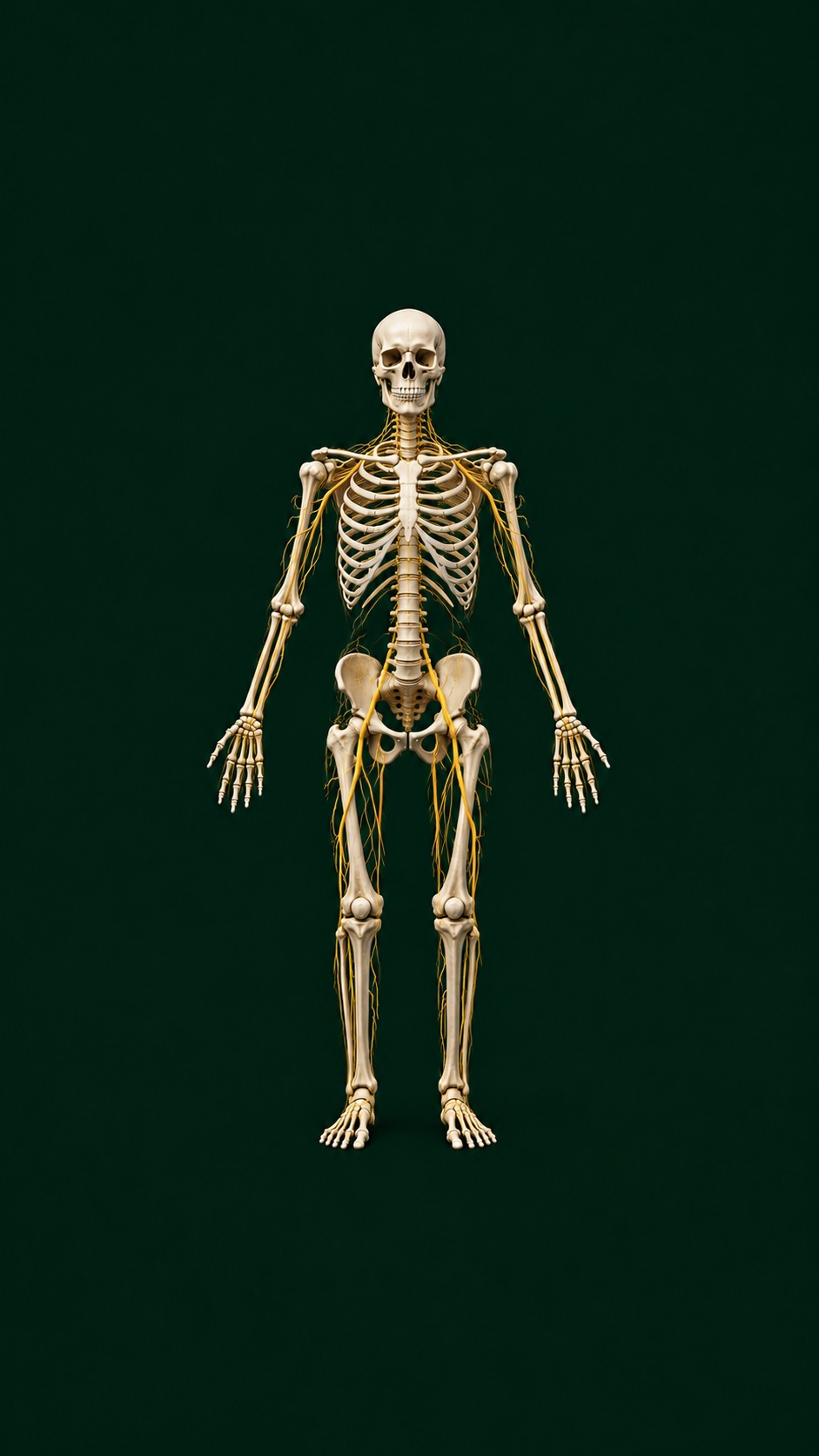
Sports massage led me to look at the body differently. I became more interested in movement, effort, preparation, and recovery.
This training also introduced me to different techniques and helped me start developing an approach better suited to each person's needs.
The sports massage training represents 305 hours and includes practical coursework as well as supervised placements in clinic and at sporting events.
Keeping pace with sporting events
Adapting my work to the moment the athlete needs it.
Working at roller derby, running, and swimming events let me grow my practice in direct contact with athletes.
I learned to adapt my approach to the moment: preparing the athlete before the effort, stepping in during the event when needed, then supporting their recovery afterward.
These experiences also showed me how much needs can vary depending on the discipline, the intensity of the effort, and the moment I step in.
Roller derby · Running · Swimming
Observing and testing before stepping in
Going further in understanding the body and movement.
Kinésithérapie marked a new stage in the way I work.
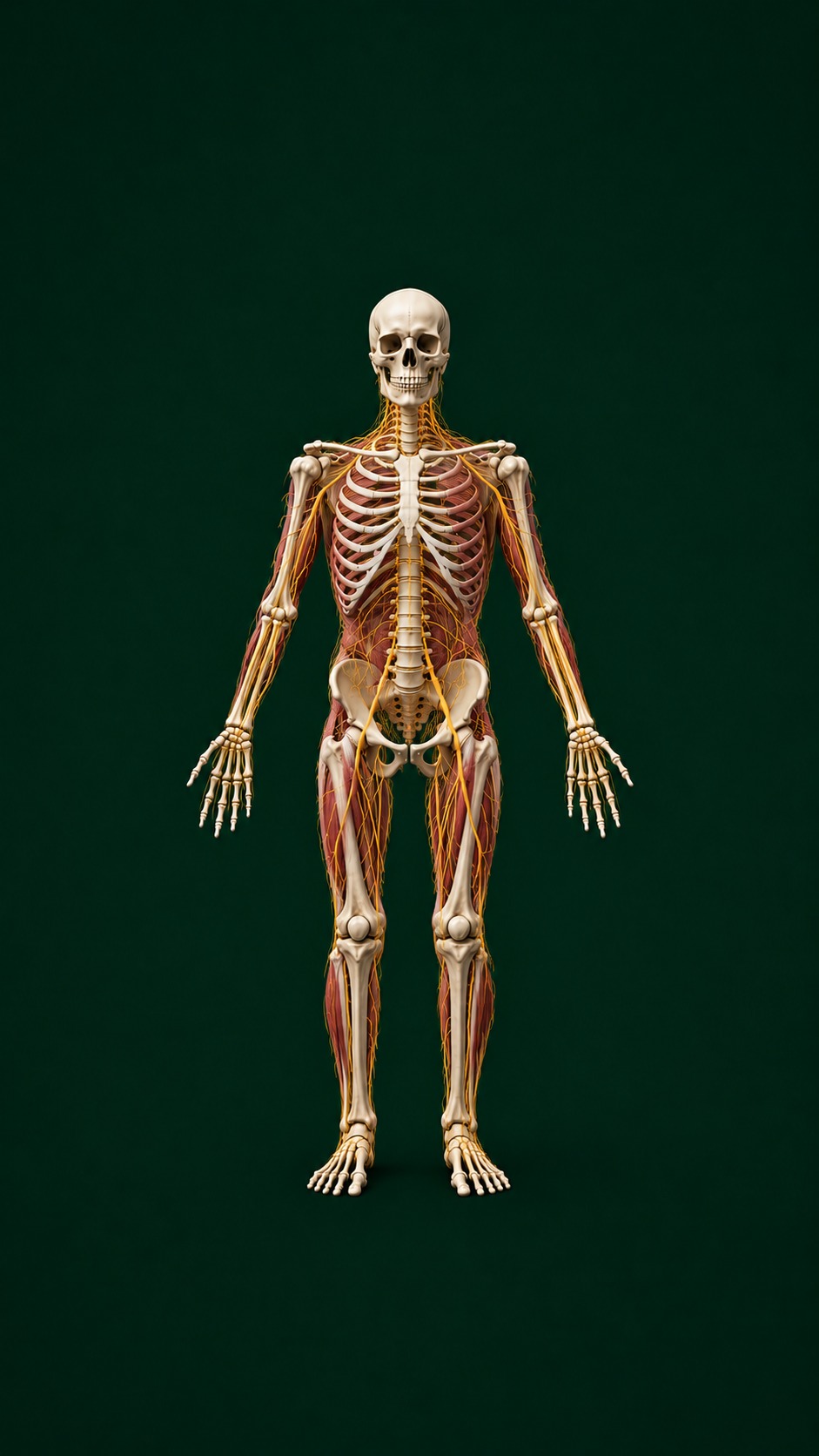
Postural observation, range-of-motion, and various tests progressively took on a bigger role in my sessions.
I learned to gather more information about the body and movement before choosing how to work manually.
The kinésithérapie training represents 600 hours and deepens knowledge of the body's structures and function, as well as manual techniques.
Building my own way of working
Not locking myself into a single technique.
Through my training and experience, I gradually learned to stop treating each technique as separate.
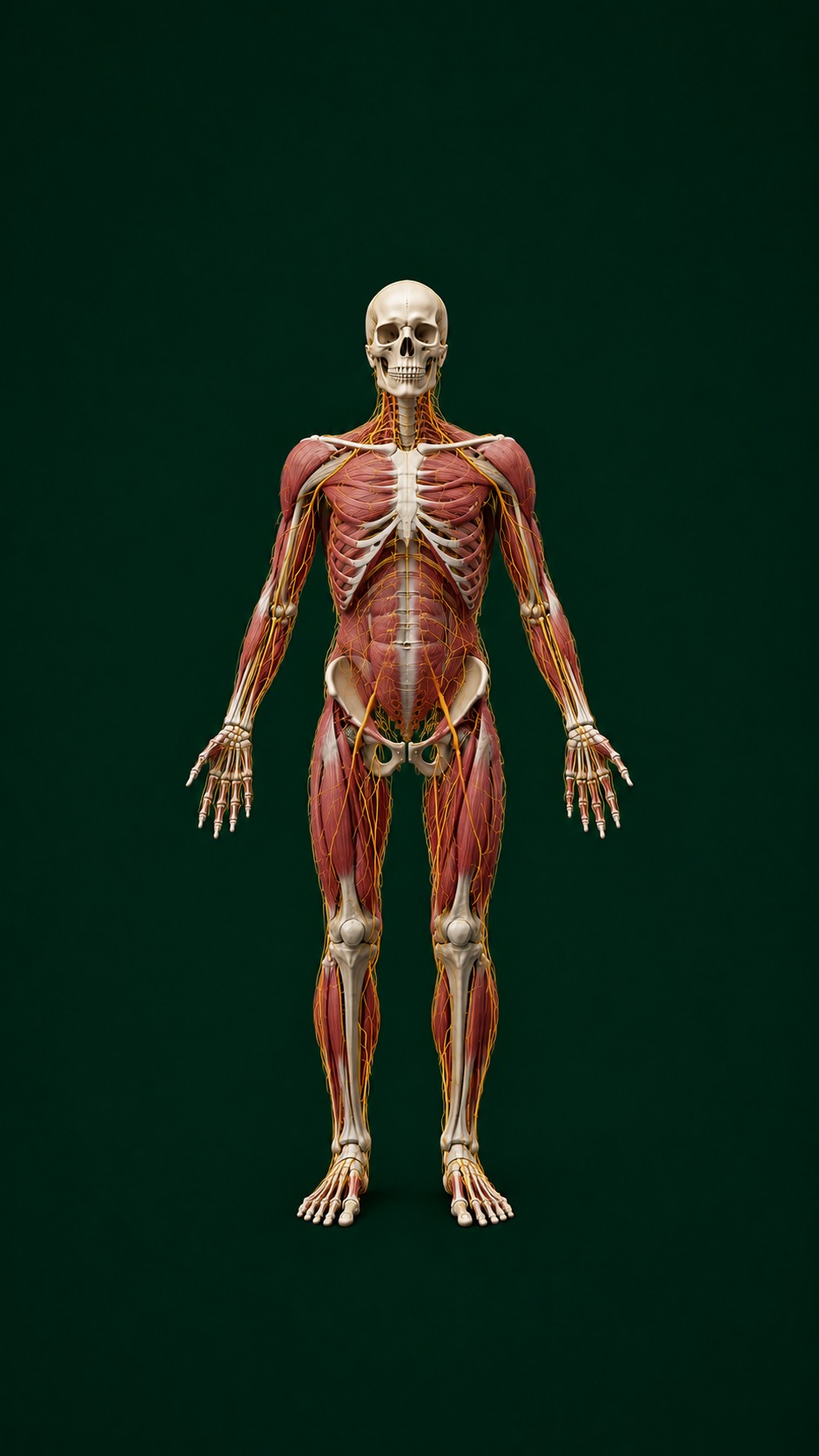
Today, I draw on the full range of techniques I've learned. I can choose, adapt, and combine them based on what I observe, the movements and tests carried out, and the person's sensations.
That's why I don't try to reproduce the same session for everyone.
Over 1,300 hours of training. And still the drive to keep learning.
400 h + 305 h + 600 h = 1,305 hours of training.
My background has let me build a practice that combines observation, movement, and hands-on work.
That said, I don't see the way I work as fixed. I want to keep learning, keep training, and keep evolving my practice with experience.
The goal stays the same: understand the person in front of me as well as I can, to adapt every session.
Observe · Test · Adapt · Reassess